


Many offices unknowingly contribute to employee illness. Persistent coughing, frequent sick days, and low energy levels are often attributed to seasonal factors or stress. In reality, poor cleaning practices are a major and preventable cause.
For Toronto workplaces, recognizing the warning signs that your office is making employees sick can prevent productivity losses, morale issues, and escalating cleaning costs. This guide outlines the clearest indicators that your office environment may be making employees sick — and what to do about it.
If multiple employees experience recurring colds, flu symptoms, or respiratory issues, the office environment may be contributing. Germs spread rapidly in poorly disinfected workplaces, especially through shared surfaces and equipment.
Common contributors include:
- Infrequent disinfection
- Shared devices cleaned inconsistently
- Lack of cleaning during peak illness seasons
Illness clusters are rarely coincidental. They often point to hygiene breakdowns.
Sign 2: Persistent Odours in the Office
Unpleasant smells are not cosmetic issues. They indicate bacterial buildup, moisture retention, or ventilation problems.
Warning odours may originate from:
- Carpets and upholstery
- Washrooms and kitchens
- Trash areas and floor drains
Persistent odours suggest that cleaning is masking symptoms rather than addressing root causes.
Sign 3: Dust Accumulation on Surfaces and Vents
Dust is more than a nuisance. It carries allergens, bacteria, and pollutants that impact respiratory health.
Red flags include:
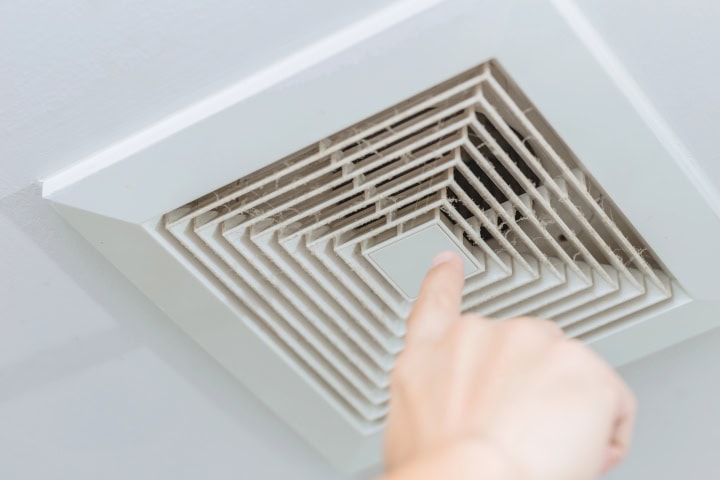
- Dust on vents, blinds, and ledges
- Sneezing or itchy eyes at work
- Increased asthma or allergy complaints
Without proper dust control and HEPA filtration, offices become chronic irritants rather than productive environments.
Sign 4: Complaints About Headaches and Fatigue
Employees frequently reporting headaches, eye strain, or fatigue may be experiencing poor indoor environmental quality.
Cleaning-related causes include:
- Chemical residue from improper products
- Poor air circulation
- Accumulated pollutants
These symptoms are often dismissed but significantly affect performance and engagement.
Sign 5: Neglected Washrooms and Kitchens
Washrooms and kitchens are high-risk zones. Inadequate cleaning in these spaces accelerates illness transmission.
Warning signs include:
- Empty soap dispensers
- Sticky surfaces
- Overflowing trash
- Visible residue on fixtures
These issues erode employee trust and increase health risks.
Sign 6: High-Touch Surfaces Are Rarely Cleaned
If cleaning schedules do not prioritize these areas, germs spread unchecked. Visual cleanliness does not equal hygienic cleanliness.
Sign 7: Seasonal Illness Hits Harder Than Expected
While seasonal illness is normal, excessive outbreaks indicate environmental vulnerabilities. Winter conditions amplify the impact of poor cleaning through closed ventilation and increased indoor occupancy.
Offices without seasonal cleaning adjustments often experience recurring disruptions.
Sign 8: Employees Clean Their Own Workspaces Out of Concern
When employees begin wiping desks, keyboards, or meeting tables themselves, it reflects a lack of confidence in cleaning standards.
This behaviour signals:
- Inconsistent janitorial performance
- Communication gaps
- Perceived hygiene risks
Employee self-cleaning is a symptom, not a solution.
Sign 9: Cleaning Is Reactive, Not Planned
Offices that only increase cleaning after illness spreads are already behind.
Reactive cleaning leads to:
- Higher costs
- Emergency service calls
- Lost productivity
Preventive cleaning is always more effective and economical.
How Better Cleaning Protects Workplace Health
Professional cleaning programs address illness risks through:
- Documented disinfection protocols
- Seasonal adjustments
- Air and surface hygiene integration
- Quality assurance and inspections
When cleaning is structured, health outcomes improve measurably.
When to Reevaluate Your Cleaning Program
Toronto offices should reassess cleaning if:
- Sick days increase year over year
- Complaints persist despite “regular” cleaning
- Odours, dust, or residue return quickly
These are indicators of scope, frequency, or execution issues.
Creating a Healthier Office Environment
Healthier offices are built through consistency, accountability, and expertise. Cleaning must align with actual usage patterns, seasonal demands, and health expectations.
For Toronto businesses concerned about employee illness, Jeeves Janitorial provides professional office cleaning services, hygiene audits, and customized janitorial programs designed to eliminate hidden health risks and support long-term workplace performance.