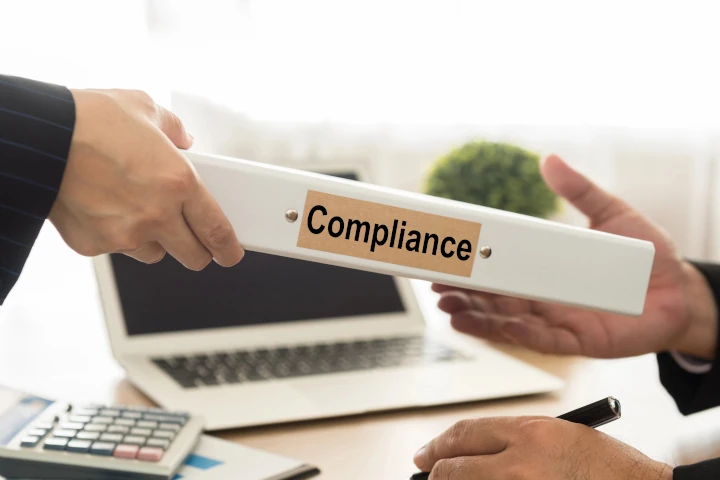
Cleaning Compliance for Healthcare & Industrial Facilities - hands passing compliance manual

Cleaning Compliance for Healthcare & Industrial Facilities

Apr 16, 2026 | Air Quality, Deep Clean, Deep Cleaning, Healthy Workplace, janitorial services

Cleaning in regulated environments is not just about maintaining appearance. In healthcare and industrial facilities, cleaning is tied directly to safety, legal compliance, and operational continuity. Failure to meet required standards can result in contamination risks, failed inspections, or even shutdowns.

For facilities in Toronto and across Canada, compliance-driven cleaning ensures that hygiene practices meet regulatory expectations. This requires structured protocols, trained staff, and consistent documentation. Understanding these requirements is critical for managers responsible for high-risk environments.

Why Compliance Matters More Than Routine Cleaning

In standard commercial spaces, cleaning focuses on maintaining a presentable and hygienic environment. In healthcare and industrial settings, cleaning must meet defined compliance standards that are often audited by regulatory bodies.

Compliance ensures that cleaning processes actively reduce risk instead of simply maintaining appearance. This includes:

  • Following approved disinfection procedures for sensitive environments
  • Using certified cleaning agents appropriate for specific contaminants
  • Maintaining documented proof of completed cleaning tasks
  • Meeting frequency requirements for high-risk zones

Without these elements, even a visually clean facility may fail regulatory expectations.

Healthcare vs Industrial Facilities: Different Requirements

Healthcare and industrial environments operate under very different risk profiles. As a result, their cleaning standards are not interchangeable.

Healthcare facilities focus on infection control and patient safety. Industrial facilities focus on contamination control, worker safety, and equipment protection.

In healthcare environments, compliance requires:

  • Strict disinfection of patient-facing surfaces
  • Prevention of cross-contamination between zones
  • Use of hospital-grade disinfectants
  • Frequent cleaning of high-contact areas

In industrial facilities, compliance focuses on:

  • Removal of hazardous residues and particles
  • Cleaning machinery and operational zones safely
  • Managing chemical exposure risks
  • Maintaining safe walkways and workspaces

Understanding these differences is essential for creating a cleaning plan that meets industry-specific requirements.

Regulatory Standards in Canada

health Canada logo

Cleaning compliance in Canada is guided by multiple organizations and standards. These frameworks define how facilities must maintain hygiene and safety.

Facility managers should be aware of:

  • Health Canada guidelines for disinfectants and cleaning agents
  • Public Health Agency of Canada (PHAC) recommendations
  • Canadian Standards Association (CSA) requirements for healthcare environments
  • Provincial workplace safety regulations

Each of these contributes to how cleaning programs are designed and executed. Compliance requires aligning cleaning practices with these standards and staying updated on changes.

The Role of Documentation and Audit Readiness

One of the most critical aspects of compliance is documentation. Cleaning must not only be performed correctly but also recorded consistently.

Audit-ready facilities maintain detailed records such as:

  • Daily and weekly cleaning logs
  • Disinfection checklists for high-risk areas
  • Incident reports for contamination or spills
  • Maintenance records for cleaning equipment

These documents provide proof that cleaning standards are being followed. During inspections, documentation often carries as much weight as the cleaning itself.

High-Risk Zones That Require Special Attention

Not all areas within a facility carry the same level of risk. Compliance-focused cleaning identifies zones that require stricter protocols and higher frequency.

In healthcare settings, high-risk zones include:

  • Patient rooms and treatment areas
  • Operating and procedure rooms
  • Washrooms and waiting areas
  • High-touch surfaces like bed rails and equipment

In industrial facilities, critical zones include:

  • Production and assembly lines
  • Storage areas for raw materials
  • Equipment surfaces exposed to contaminants
  • Entry points where debris is introduced

Focusing resources on these areas ensures compliance efforts are targeted and effective.

Training and Staff Accountability

Businessman Making Presentation To Office Colleagues

Cleaning compliance depends heavily on how well procedures are executed. Even well-designed protocols fail if staff are not properly trained.

Effective compliance programs include:

  • Ongoing training on cleaning methods and safety procedures
  • Clear instructions for handling chemicals and equipment
  • Defined responsibilities for each cleaning task
  • Regular performance checks and audits

Accountability ensures that standards are maintained consistently, regardless of staffing changes or workload variations.

What Happens When Compliance Fails

Non-compliance can lead to serious consequences. These are not limited to cleanliness issues but extend to operational and financial risks.

Common outcomes include:

  • Failed inspections and regulatory penalties
  • Increased risk of infection or contamination
  • Workplace safety incidents
  • Damage to reputation and client trust

Addressing compliance proactively is always more effective than responding to violations after they occur.

Conclusion

Cleaning compliance in healthcare and industrial facilities requires a structured, disciplined approach. It involves more than routine cleaning tasks. It demands adherence to standards, consistent documentation, and trained execution.

For facilities in Toronto that operate in regulated environments, Jeeves Janitorial provides specialized cleaning programs designed to meet compliance requirements, reduce risk, and maintain safe, audit-ready spaces.

Related Posts

A Facility Manager’s Guide to Spring Readiness

A Facility Manager’s Guide to Spring Readiness

Spring is one of the most important transition periods for facility managers. After months of winter weather, office buildings often require adjustments in cleaning schedules, maintenance priorities, and operational planning. Snow, salt, and heavy indoor occupancy...

read more
How to Prepare for Spring Thaw and Melting Snow

How to Prepare for Spring Thaw and Melting Snow

As winter transitions into spring, Toronto workplaces face a new set of cleaning challenges. Melting snow, excess moisture, and leftover road salt create conditions that can damage flooring, increase slip hazards, and introduce dirt throughout office interiors. The...

read more