

Employee wellness is not achieved through perks alone. It is built through daily conditions that support comfort, safety, and focus. Cleanliness is one of the most foundational yet often underestimated contributors.
How Physical Cleanliness Supports Employee Health
Office environments are shared ecosystems. Desks, chairs, meeting rooms, washrooms, and kitchens are used by multiple employees every day. Without consistent cleaning, these areas become reservoirs for bacteria, allergens, and viruses.
Professional cleaning helps reduce:
- Surface-level bacteria that cause common illnesses
- Allergens that trigger respiratory discomfort
- Cross-contamination in shared spaces
Fewer illnesses translate directly into reduced absenteeism and more consistent team performance. When offices prioritize routine disinfection, employees experience fewer disruptions to their work schedules and overall health.
Air Quality and Cognitive Performance
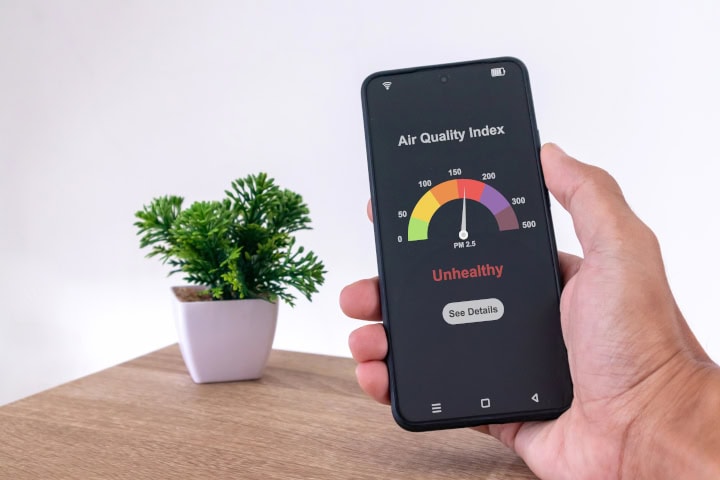
Indoor air quality is a key yet frequently overlooked wellness factor. Dust, pollutants, and stale air circulate in enclosed offices, particularly during Toronto’s colder months when windows remain closed.
Effective cleaning programs support better air quality through:
- HEPA-filter vacuuming
- Dust control on high and low surfaces
- Coordination with HVAC maintenance schedules
Cleaner air reduces headaches, fatigue, and respiratory irritation, allowing employees to remain alert and productive for longer periods.
Shared Spaces and Workplace Comfort
Breakrooms, washrooms, and meeting rooms have a disproportionate impact on wellness. These areas are high-use, moisture-prone, and highly sensitive to hygiene lapses.
Consistent cleaning of shared spaces ensures:
- Reduced bacterial growth
- Improved comfort and usability
- Higher confidence in workplace safety
When employees trust that shared spaces are hygienic, they use them without hesitation, supporting better collaboration and morale.
Cleanliness as a Signal of Employer Care

Employees notice how their workplace is maintained. Clean offices demonstrate that management values employee wellbeing and operational standards.
This perception influences:
- Employee satisfaction
- Retention rates
- Employer brand reputation
Wellness-driven cleaning is not just a facilities decision. It is a people strategy.
Building Wellness Through Consistent Cleaning
Employee wellness depends on consistency, not occasional deep cleans. Structured cleaning schedules, clear scopes of work, and professional oversight ensure that wellness benefits are sustained over time.
For Toronto businesses aiming to strengthen employee wellness, Jeeves Janitorial provides professional office cleaning services, wellness-focused janitorial programs, and customized cleaning strategies designed to support healthier, more productive workplaces.